
Maintaining quality and consistency in fresh produce supply is one of the biggest challenges in today’s competitive food markets. Unlike many other products, fresh produce is highly sensitive to time, handling conditions, and transportation processes. For businesses operating in this sector, ensuring that products arrive in optimal condition is essential for building trust and maintaining long-term relationships.
The foundation of quality begins at the sourcing stage. Working with reliable and experienced partners helps ensure that products meet required standards from the very beginning. Consistency in sourcing not only improves product quality but also reduces the risk of supply disruptions. Businesses that invest time in selecting the right partners are better positioned to deliver stable and dependable results.
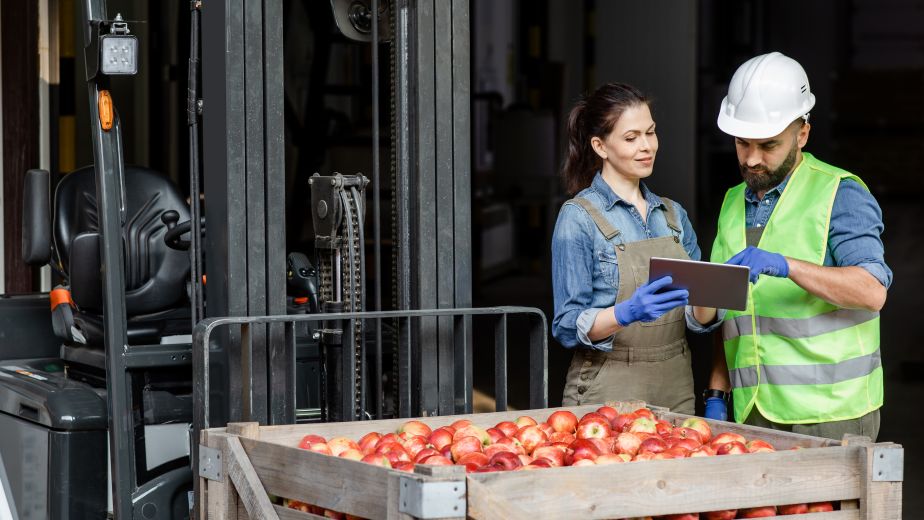
Handling and storage also play a crucial role in maintaining product integrity. Fresh produce must be managed with care at every step, from initial collection to final delivery. Proper packaging, temperature control, and timing are all critical factors that directly impact the condition of the products upon arrival. Even small inefficiencies in handling can lead to significant losses.
Logistics is another key element in ensuring consistent quality. Coordinated transportation and well-planned delivery schedules help reduce delays and minimize exposure to unfavorable conditions. Efficient logistics systems ensure that products move quickly and safely through the supply chain, preserving freshness and meeting customer expectations.
In addition, continuous monitoring and communication across the supply chain are essential. Staying informed about product status, market conditions, and potential risks allows businesses to respond proactively. This level of control helps prevent issues before they arise and ensures a smoother overall process.
Quality consistency is not only about operational efficiency—it is also about reputation. Buyers expect reliable standards, and any inconsistency can impact trust. By maintaining strict control over sourcing, handling, and logistics, businesses can strengthen their market position and build long-term partnerships.
Ultimately, ensuring quality and consistency in fresh produce supply requires a combination of strong partnerships, efficient processes, and careful management. Companies that prioritize these elements can reduce losses, improve customer satisfaction, and achieve sustainable growth in a competitive environment.