
Agrculture
sustains life

INTRODUCTION
In fresh produce trade, timing is one of the most important factors that determines profitability. The same fruit can have completely different prices depending on the season, origin country, and supply availability.
Understanding when each fruit enters peak production allows traders, brokers, and buyers to plan sourcing more efficiently, reduce risk, and maximize margins. This guide outlines the global seasonal flow of major fruits throughout the year.
JANUARY – MARCH (WINTER IMPORT SEASON)
High opportunity fruits:
- Strawberries (Spain, Morocco, Egypt)
- Citrus fruits (Spain, Morocco, Egypt)
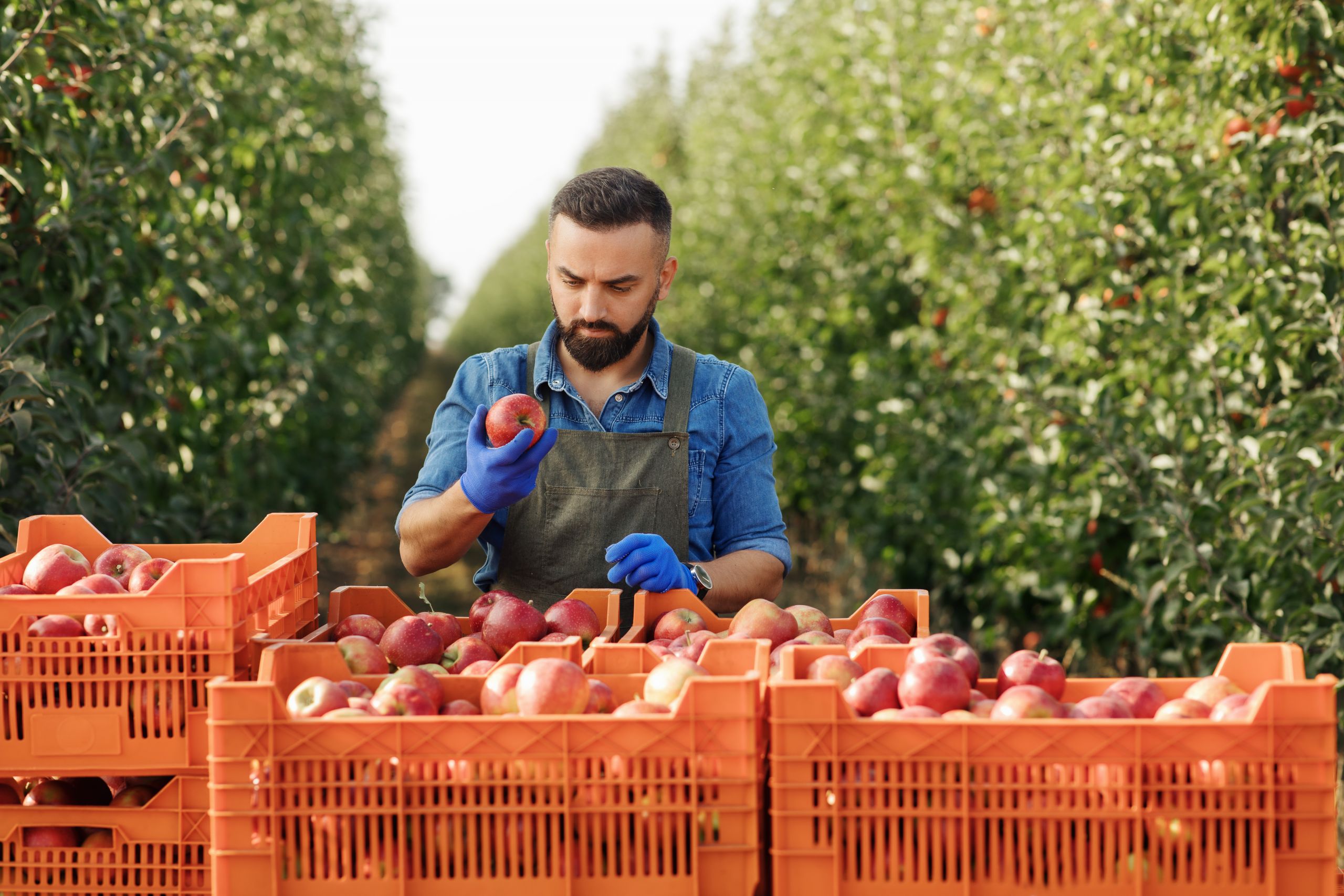
- Apples (cold storage supply from Europe and USA)
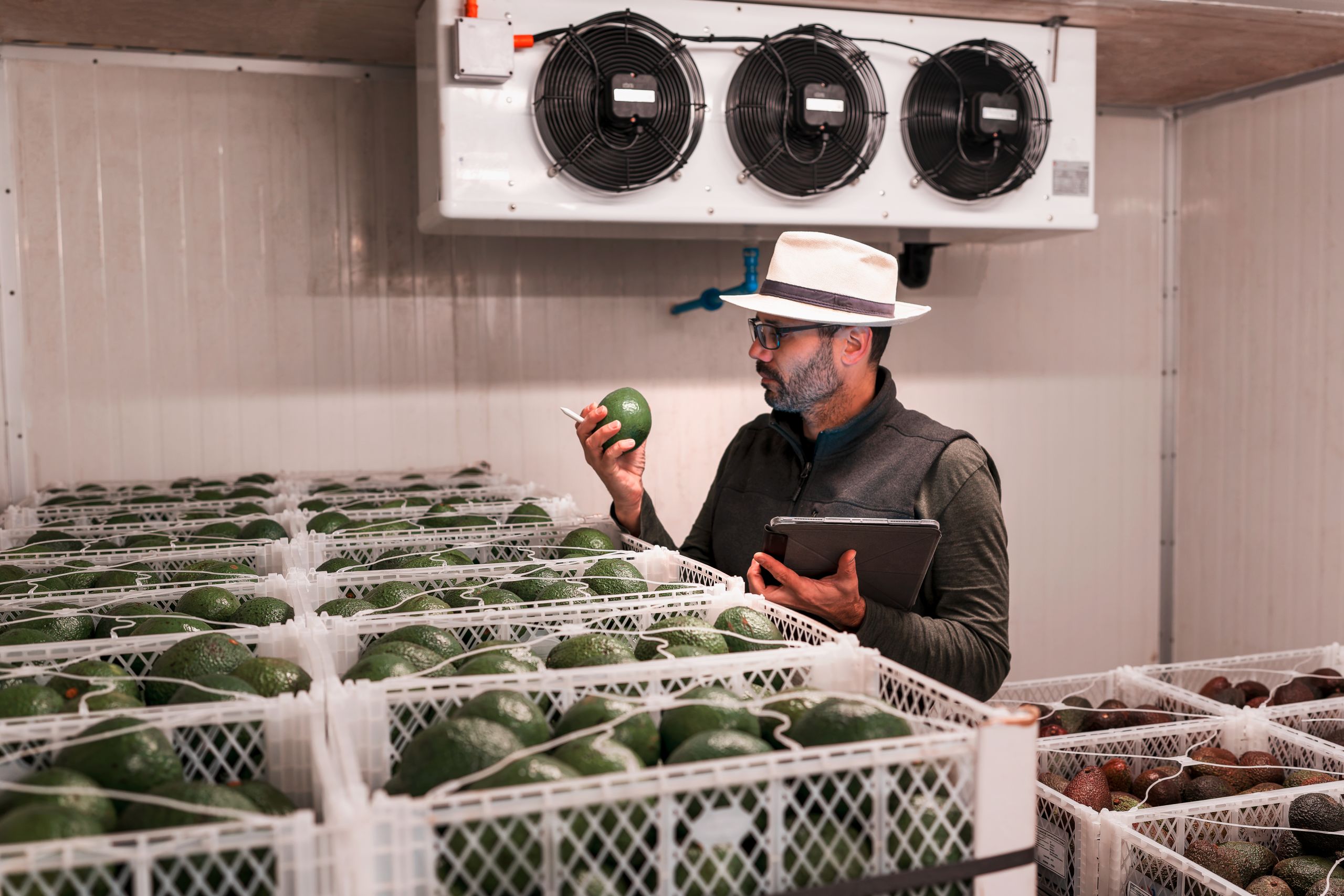
- Avocados (Peru, Mexico, Spain)
- Grapes (early supply from Peru and Chile)
Market insight:
During winter, Europe and many northern markets rely heavily on imports. Supply is limited, demand remains strong, and prices are generally higher. This period offers strong opportunities for premium sourcing and stable contracts.
APRIL – JUNE (TRANSITION PERIOD)
High opportunity fruits:
- Watermelon (Morocco, Spain, Turkey starting season)
- Cherries (Turkey, Spain, USA early harvest)
- Mango (Brazil, Peru early exports)
- Grapes (Egypt, India early production)
- Blueberries (Morocco, Spain beginning season)
Market insight:
Supply begins to increase as new harvest cycles start in different regions. Prices stabilize compared to winter, but early-season sourcing still provides strong margin opportunities.
JULY – SEPTEMBER (PEAK SUMMER SEASON)
High opportunity fruits:
- Watermelon (Spain, Turkey peak production)
- Grapes (Italy, Spain, Turkey peak season)
- Mango (India, Brazil peak supply)
- Peaches and stone fruits (Spain, Italy, France)
- Melons (Spain, Morocco, Turkey)
Market insight:
This is the highest production period globally. Supply is abundant, competition increases, and prices are more competitive. Profitability depends heavily on logistics efficiency and fast market movement.
OCTOBER – DECEMBER (WINTER PREPARATION SEASON)
High opportunity fruits:
- Citrus (Spain, Morocco, Egypt export season begins)
- Avocado (Peru peak export season)
- Strawberries (early greenhouse production in Europe)
- Apples (fresh harvest and storage supply)
- Grapes (South America entering supply cycle)
Market insight:
As summer ends, winter demand starts rising again. Prices begin to increase, especially for imported products. This is a strong period for forward contracts and structured supply agreements.
GLOBAL PROFIT INSIGHT
High profit fruits across the year:
- Avocado
- Blueberries
- Grapes
- Citrus
Seasonal high-margin opportunities:
- Cherries (short season, high price volatility)
- Strawberries (off-season imports)
- Mango (air freight premium trade)
- Watermelon (high-volume summer trade)
TRADING STRATEGY SUMMARY
To maximize profitability in fresh produce trade:
- Buy at early-season origin prices
- Sell into high-demand import markets
- Shift sourcing between hemispheres
- Optimize logistics and cold chain efficiency
- Avoid peak competition periods when possible
CONCLUSION
In global fruit trade, profitability is not determined by production alone but by timing, sourcing strategy, and market positioning.
Successful traders operate across seasons and regions, following supply cycles rather than static markets. The ability to move products at the right time and from the right origin is what creates sustainable profit in the fresh produce industry.